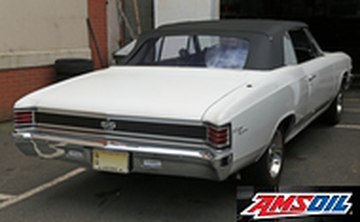
Engine Oil Maintenance for the 1983 Chevrolet Impala 5.0L
Maintaining the lubrication system is one of the most critical aspects of long-term vehicle care. For a vehicle like the 1983 Chevrolet Impala equipped with the 5.0L engine, consistent attention to oil health helps ensure that internal engine components remain protected against friction and heat. Proper maintenance involves more than just periodic changes; it requires an understanding of how oil functions within your specific engine environment.
How often should I change the oil in my 1983 Chevrolet IMPALA 5.0L?
To determine the correct interval for your oil changes, you should follow the owner's manual or the manufacturer maintenance schedule. Do not rely on estimated mileage or timeframes, as the specific requirements for your vehicle are defined by the original manufacturer's guidance.
Understanding Engine Oil Functionality
Engine oil serves several vital roles beyond simple lubrication. As the engine operates, the oil circulates through various passages to create a thin film between moving metal parts, such as pistons, crankshaft bearings, and camshafts. This film prevents direct metal-to-metal contact, which would otherwise cause rapid wear and potential engine failure.
In addition to lubrication, oil acts as a coolant by carrying heat away from high-temperature zones within the engine block and cylinder heads. It also serves as a cleaning agent, picking up microscopic debris, soot, and combustion byproducts. These contaminants are then carried to the oil filter, where they are trapped to prevent them from recirculating through the engine.
The Importance of Regular Oil Inspections
While following a maintenance schedule is essential, performing regular manual inspections can provide early warning signs of potential issues. Checking the oil level using the dipstick should be a routine part of your vehicle's upkeep. A low oil level can lead to increased friction and overheating, while an excessively high level can cause aeration or pressure issues.
When inspecting the oil on the dipstick, pay attention to its color and consistency. While oil naturally darkens over time as it collects contaminants, extremely dark or gritty oil may indicate that a service interval has been exceeded. Furthermore, if you notice a milky appearance in the oil, this can be an indicator of moisture or coolant entering the lubrication system, which requires immediate professional inspection.
Managing Oil Contamination and Filtration
Every time the engine runs, small amounts of combustion byproducts enter the oil stream. Over time, these contaminants degrade the chemical properties of the lubricant, reducing its ability to protect engine components. This degradation is why adhering to a replacement schedule is necessary.
The oil filter plays a critical role in this process by capturing particulates before they can cause abrasive wear. When performing an oil service, it is standard practice to replace the filter to ensure that the new oil is not immediately contaminated by the debris trapped in the old filter. A clean filtration system ensures that the lubricant remains effective for as long as possible within its intended service life.
Environmental Factors and Oil Life
The conditions under which a vehicle is driven can influence how quickly oil loses its effectiveness. While you should always prioritize the manufacturer's maintenance schedule, it is helpful to be aware of how different driving habits affect the engine. Extreme temperature fluctuations, frequent short trips where the engine does not reach full operating temperature, and heavy load conditions can all impact the chemical stability of the lubricant.
Monitoring your vehicle's performance in these various environments allows you to stay proactive. If you notice changes in engine noise or smoothness, it may be an indication that the lubrication system is no longer performing at its peak efficiency.
Safe Practices for Oil Changes
When performing any maintenance involving engine fluids, safety should be the primary concern. Always ensure the vehicle is parked on a level surface and properly supported if you are working underneath it. Engine oil can become extremely hot during operation; allow the engine to cool significantly before attempting to drain the fluid to avoid burns.
Properly disposing of used oil is also a critical responsibility. Used motor oil is a hazardous substance that should never be poured down drains or placed in regular trash. Utilize local automotive recycling centers or designated collection points to ensure that old fluids are handled in an environmentally responsible manner.
BUYING ENGINE OIL
When you are ready to purchase supplies, ensure you are selecting products that meet the requirements for your specific engine. For this 1983 Chevrolet Impala 5.0L, the database indicates a 10W-30 viscosity is listed for this application. Always check the labels on the containers to confirm they match the specifications required for your vehicle's operation. When shopping, look for reputable brands and ensure that any seals or gaskets used during the service are in good condition to prevent leaks.